logo
뉴스

회사 소식 Tablet and Capsule Inspection Equipment: What You Must Know Before Buying

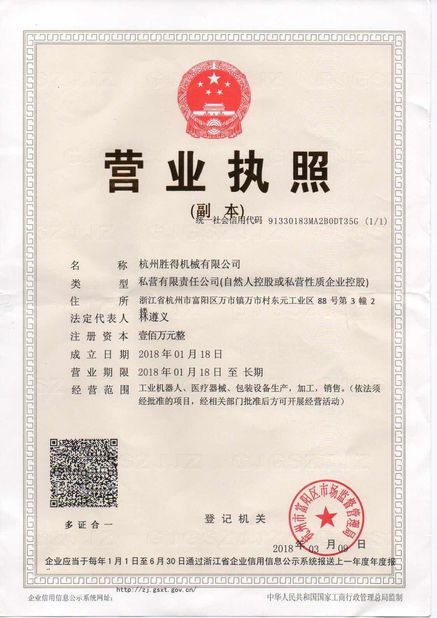
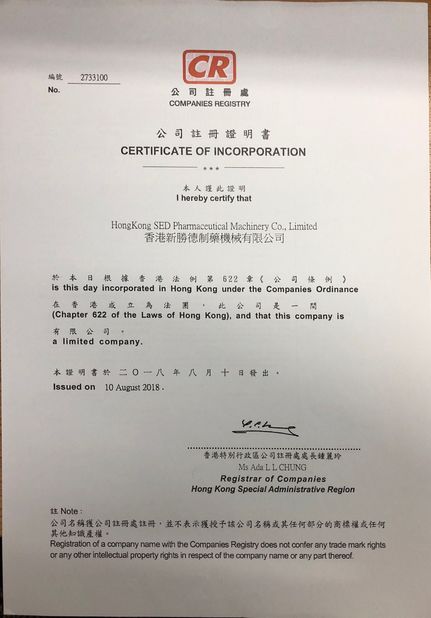
인증
중국 Hangzhou SED Imp. And Exp. Co., Ltd. 인증
고객 검토
 나는 우리의 분무 건조기, 고속 건조를 위한 정확한 분무기를 선택하는 당신의 노력 전부를 당신을 감사하고 싶으면. 분무기, 습기의 95%-98%를 통해서 분무화 후에 많게 증가시킨 고열 기류에서 원료 액체의 표면만, 필요 두번 째 즉각 증발할 것입니다.

—— Fatih BÜYÜKEGEN

나는 진짜로 당신을의 당신 감사하는 방법을 입니다 나의 천사 모릅니다, 대단히 대단히 감사합니다. 이 것을 분쇄하는 최고 벌금은 다른 동일한 힘 기계 보다는 더 빠르 운영하기 쉽습니다 그리고 고쳐.

——  Hamid Doroudian 

제가 지금 온라인 채팅 해요
회사 뉴스
Tablet and Capsule Inspection Equipment: What You Must Know Before Buying
에 대한 최신 회사 뉴스 Tablet and Capsule Inspection Equipment: What You Must Know Before Buying

In the pharmaceutical industry, quality is the very lifeblood of an enterprise. As regulatory bodies (such as the FDA and NMPA) continuously raise the bar for data integrity and automated control, selecting the right testing equipment is no longer a simple hardware investment—it is an investment in brand reputation.


However, faced with a dazzling array of inspection technologies on the market—from manual light-inspection machine to fully automated vision systems integrated with AI—procurement decision-makers often find themselves in a dilemma: Which technology should you choose? Is higher inspection accuracy always better? What are the core differences between equipment with price tags that vary by severalfold?


This article provides a detailed overview of the key factors you must understand before purchasing tablet and capsule inspection equipment, helping pharmaceutical manufacturers make the most informed and strategic decision.


Clarify What Your Product Needs to Be Inspected For

Before engaging with any equipment supplier, the first step is not to ask "what equipment do you have?", but rather "what does my product need to be inspected for?". The depth of this preliminary analysis determines the accuracy of subsequent equipment selection.


1. Comprehensive Analysis of Common Defect Types

Tablets and capsules can develop a wide variety of defects during production. The core task of inspection equipment is to identify and reject these non-conforming products. Based on the nature of the defects, they can be categorized as follows:


Appearance Defects (Key Focus for Visual Inspection):

- Capping/Laminating: Partial or complete breakage of the tablet; one of the most common physical defects.

- Picking/Sticking/Blemishes: Material adhering to the punch face, resulting in surface pits or discolored spots.

- Discoloration/Color Variation: Inconsistent color within the same batch, possibly due to inadequate mixing or raw material variation.

- Printing Errors: For printed tablets, issues like blurred, missing, or misaligned characters.

- Coating Defects: Orange peel effect, blistering, abrasion, cracking (specifically for film-coated tablets).


Dimension and Weight Defects:

- Thickness/Diameter Deviation: Parameters falling outside the established process control limits.

- Weight Variation: Directly impacts the accuracy of the active ingredient content; a high-risk defect.


Foreign Contamination:

- Metal Contaminants: Iron filings, stainless steel particles from equipment wear and tear.

- Non-Metal Contaminants: Hair, plastic fibers, paper scraps, glass fragments.


Capsule-Specific Defects:

- Dimpled/Empty Capsules: Insufficient filling of the contents.

- Telescoping Capsules: Incomplete engagement of the capsule body and cap.

- Unsealed/Leaking Capsules: Contents leaking out.

- Sticking/Deformation: Capsule shell deformation due to temperature and humidity effects.


2. Self-Assessment Checklist

After identifying potential defect types, the procurement team needs to systematically evaluate their current situation:

- Current Rejection Rate: What are the defect statistics for each stage of the production line? Which defect types are most common?

- Customer Complaint Feedback: Which quality issues account for the highest proportion of past complaints?


Production Throughput Requirements:

- R&D/Laboratory Stage: Inspection speed requirements are low (tens of units per minute), but high flexibility is needed.

- Small Batch Production/Pilot Scale: Requires a balance between flexibility and a certain degree of automation.

- High-Volume Commercial Production: In-line inspection speed must match the production line speed, typically requiring 600–1200 units per minute or higher.


Future Product Plans: Will new dosage forms such as shaped tablets, multi-layer tablets, or orally disintegrating films be introduced in the next 2-3 years?


Inspection Technology: Vision Inspection Systems vs. Traditional Methods

Currently, inspection equipment on the market can generally be categorized into three technological tiers:

Equipment Type

Suitable Application

Core Advantages

Limitations

Semi-Automatic Roller Inspection Table

R&D laboratories, small-batch production

Extremely low cost, simple operation

Highly dependent on operator attention; cannot provide digital records

Traditional Automated Visual Inspection (AVI)

Medium to large-scale production

High speed, standardized inspection process

Higher false reject rate; prone to misjudgment with complex backgrounds

AI Deep Learning Inspection Systems

High-value pharmaceuticals, export-grade production lines

Self-learning defect recognition; extremely low false reject rate

Higher initial investment; algorithms require model training


Five "Critical" Procurement Indicators

① The Balance Between Throughput and Efficiency

Do not focus solely on the maximum speed listed in the brochure.


Actual Yield = Rated Speed × (1 – False Reject Rate)


② Ease of Changeover

In an era of flexible manufacturing, a single machine must handle various shapes and sizes with minimal downtime.


Tool-less Dismantling: Can format parts be swapped out within 15 minutes without specialized tools?


Software Recipe Management: Can inspection parameters for different products be recalled with a single click via the HMI?


③ Blind Spot Detection Capabilities

Tablets and capsules are three-dimensional objects. An ideal system must provide 360° comprehensive imaging.


Side-view Cameras: Does the equipment include dedicated cameras for the perimeter/edges?


Capsule Ends: Are there blind spots at the domed ends (top and bottom) of the capsules?


④ Data Integrity & Compliance (The Most Critical)

By 2026 standards, any procurement must strictly adhere to FDA 21 CFR Part 11:


Audit Trail: Does the system log exactly who modified a detection threshold and when?


Electronic Signatures: Is there a multi-level permission hierarchy (e.g., Operator, Administrator, QA)?


Report Export: Are the automatically generated batch reports tamper-proof and securely stored?


⑤ Cleaning & Maintenance (GMP-Centric Design)

Material Construction: All product-contact parts must be made of SS316L stainless steel or FDA-certified high-polymer materials.


Dead-Zone Free Design: The machine should minimize dust accumulation points and support rapid cleaning (incorporating CIP - Cleaning In Place concepts where applicable).


Conclusion

Choosing the right pharmaceutical inspection equipment is not just a purchasing decision — it is a long-term investment in product quality, regulatory compliance, and brand reputation.


By clearly defining your inspection needs, understanding defect types, evaluating production capacity, and selecting the appropriate inspection technology, you can significantly reduce risks, improve efficiency, and strengthen your competitive advantage.


If you are planning to upgrade your inspection system or implement a new visual inspection solution, now is the time to act. Contact us today for a personalized consultation, product demonstration, or customized inspection solution tailored to your production needs.

선술집 시간 : 2026-02-26 14:43:47 >> 뉴스 명부
연락처 세부 사항
Hangzhou SED Imp. And Exp. Co., Ltd.

담당자: Ms. Wei

전화 번호: 86-15372434551

팩스: 86-571-88615836

회사에 직접 문의 보내기 (0 / 3000)